

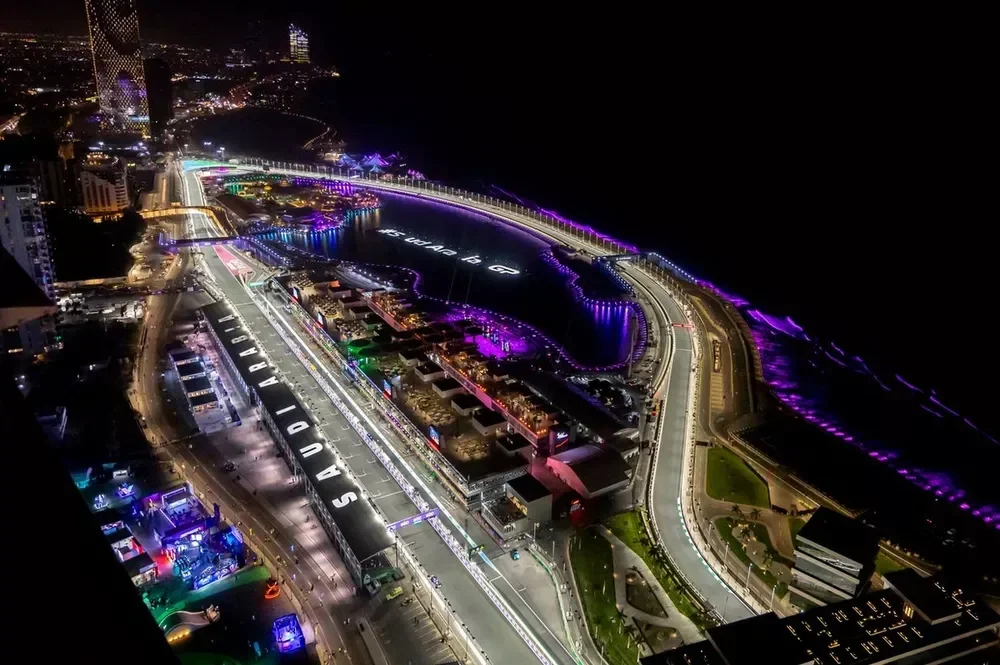
The forced delay of the Grands Prix in Bahrain and Saudi Arabia, caused by the ongoing conflict in the Middle East, has left Formula 1 with a major scheduling challenge. While the races were never officially canceled, they were removed from the April calendar, creating a month-long gap and raising difficult questions about how to reorganize the second half of the 2026 season.
Liberty Media CEO Derek Chang confirmed during a recent shareholders meeting that F1 leadership is working intensively to recover at least one of the two races. “We will be thoughtful in our approach, and we will continuously evaluate the calendar this year. It might be possible to reschedule one race toward the end of the season,” Chang said.
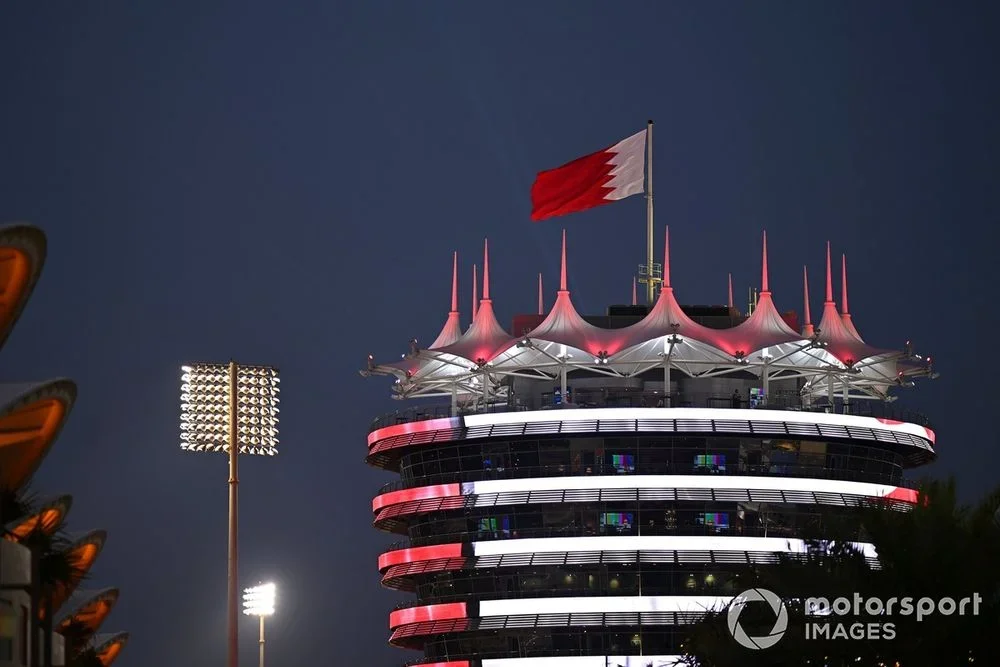
In the most optimistic scenario, one of the events could be slotted into the free weekend between Baku and Singapore in September. This would be the least disruptive option, though it would create three consecutive triple-headers in the final part of the year, adding to the human and logistical burden. Recovering both races is far more complex. By contract, Abu Dhabi must remain the season finale. Adding another race would push the calendar even closer to Christmas, and would create a grueling stretch of four consecutive races—Las Vegas, Qatar, and the rescheduled event—alongside the final round. This would be an exhausting period for team members who cannot be rotated.
F1 CEO Stefano Domenicali acknowledged the challenges, saying, “We have plans, of course… we are aligning with the teams, with the promoters… In due time we will keep everyone informed.” He also noted that contingency plans exist to avoid drastically reducing the number of races.
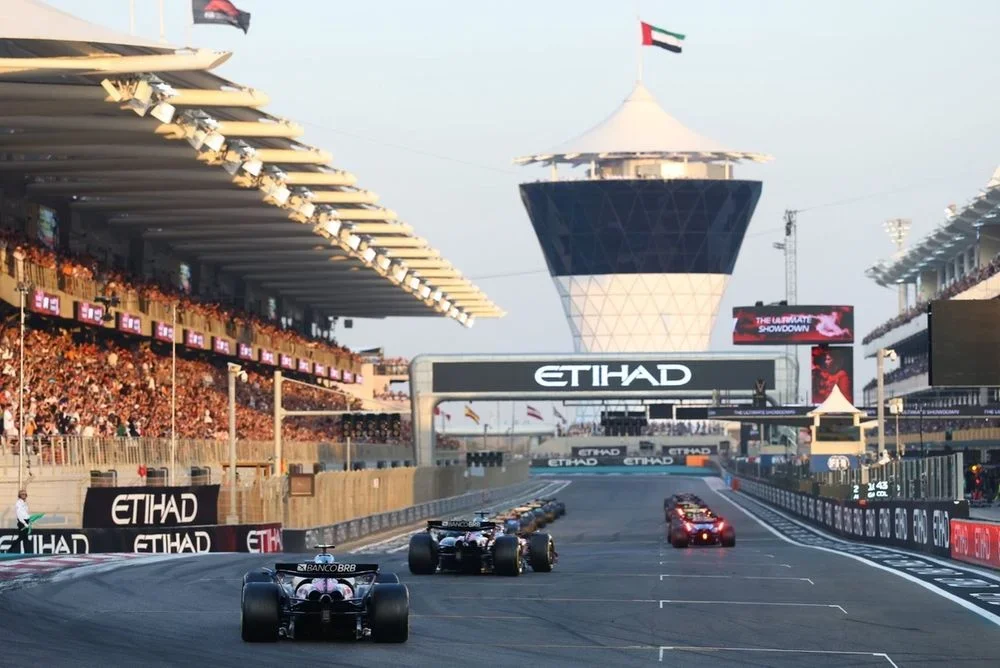
The organizational hurdles are significant. Due to the conflict, teams and Pirelli still have equipment stranded in Bahrain. The Middle East serves as a critical logistics hub for teams, and the region’s instability has forced them to find alternative routes for freight and personnel, including for the upcoming Japanese Grand Prix. The Singapore round, in particular, is expected to be one of the most difficult to manage operationally.
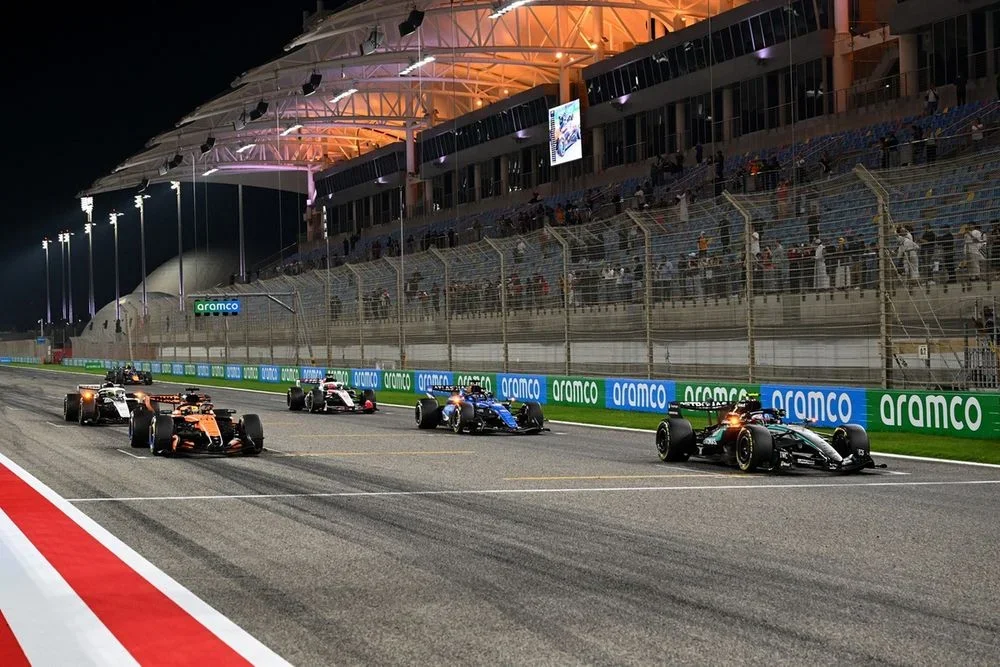
Cost is another major factor. Freight transport counts toward the budget cap, and the conflict has already driven up expenses. Haas head of car engineering Hoady Nidd noted, “The freight costs have actually gone up… for smaller teams, that becomes more of a hit because the freight costs are no different for us than they are for a bigger team.” Reinserting a race between Baku and Singapore, already a logistical challenge, would require teams to completely rework their shipping plans, which are normally planned months in advance.
Finally, the human toll cannot be ignored. Adding another race would bring the second half of the season to 12 events in just 16 weeks. Many key personnel—such as race engineers, sporting directors, and trackside operations staff—must attend every race, meaning they would spend nearly four months away from home. This represents a brutal stretch both physically and emotionally.
As the situation in the Middle East remains highly volatile, F1 continues to explore all options. The hope is to recover at least one race, but the final outcome depends heavily on how quickly the conflict can be resolved. The teams, promoters, and drivers all await clearer answers as the season progresses.
