
“One punch could change your life. But I love the sport.”
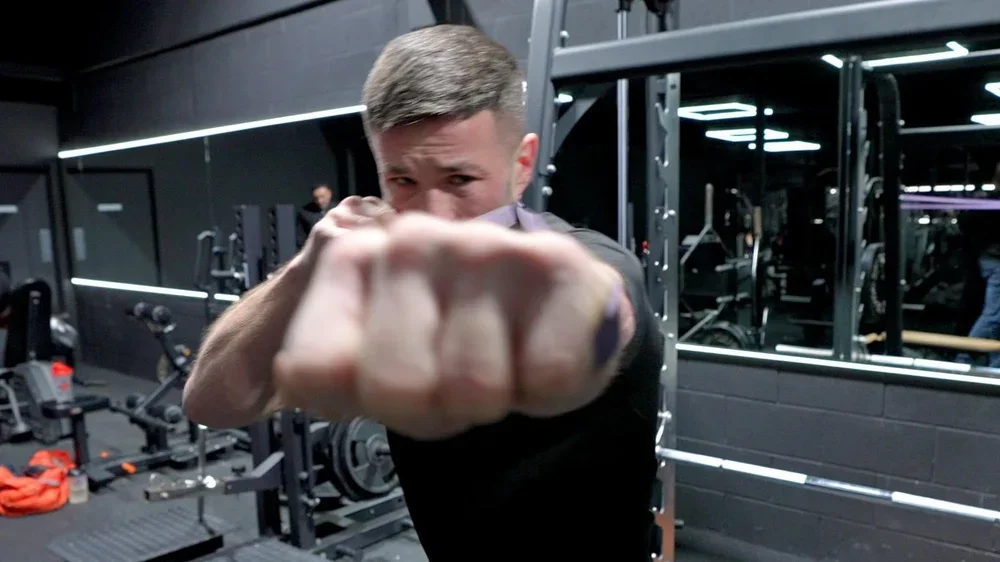
Bare-knuckle fighter Liam Rees fully understands the risks every time he steps into the ring. The Welsh carpenter balances his day job with a sport so visibly brutal that it has long remained in the shadows of combat sports.
Moments after losing his light-middleweight world title at the Vale Sport Arena in Cardiff, the Swansea native sat slumped in a chair, his wife Emma gently pleading with him to quit. “No more now babe,” she said. But for Rees, the adrenaline rush is irreplaceable. “You’ve got so much adrenaline pumping through your body in that ring. Some people think I’m crazy,” he told BBC Sport.
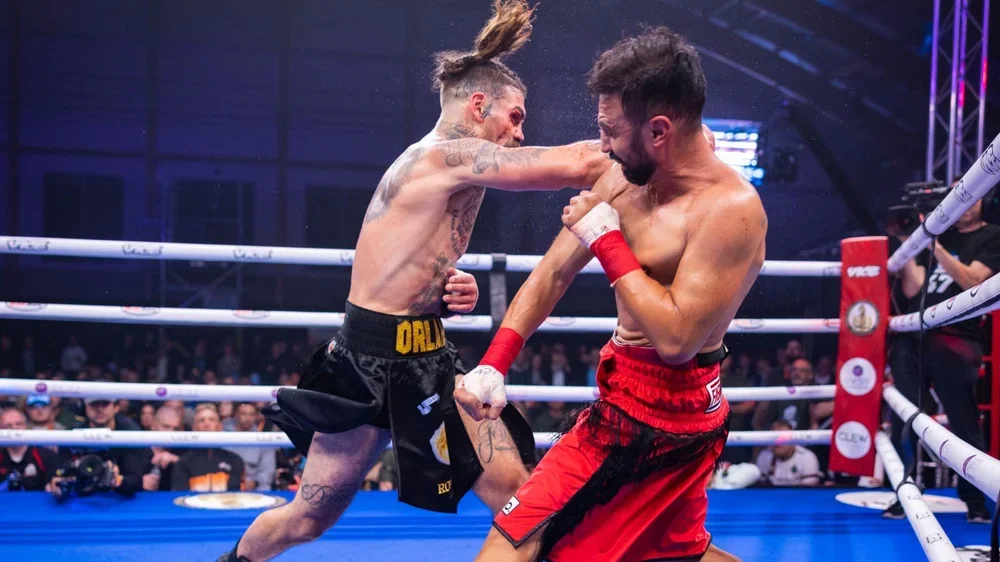
In licensed bare-knuckle events, fighters face each other on a surface half the size of a professional gloved boxing ring, leaving no room to escape. The result is more cuts, bruises, and knockouts—exactly what draws many fans.
After overcoming substance-abuse issues, the 31-year-old was introduced to the emerging sport by a trainer at his boxing gym. He made his bare-knuckle debut in 2023 and went on to become a two-time light-middleweight world champion in BKB (Bare Knuckle Boxing). During training camps, he trains three times a day, five days a week, sacrificing time with his two children on weekdays. He does not earn enough from the sport to quit his carpentry business, but his goal is to leave a “legacy, just to prove to the city I’ve done something for them.”
Bare-knuckle boxing is the oldest form of boxing but became associated with unlicensed fights on wastelands after the Marquess of Queensberry rules were introduced in 1867, which mandated gloves. However, over the past decade, licensed events have grown rapidly. According to BoxRec data, there were only 21 licensed bare-knuckle bouts in 2015. Last year, that figure exceeded 1,000 across 21 countries.
Rees fights under BKB promotions, one of two major international promotions hosting licensed bouts, alongside the US-based Bare Knuckle Fighting Championship (BKFC). BKB venues cap attendance at 2,000, and president David Tetreault says they generally sell out. Broadcast in more than 60 countries, BKB has partnerships with VICE TV and TalkSport. Retired boxing world champions Lee Selby, Paulie Malignaggi, and James DeGale have all crossed into bare-knuckle boxing as its popularity grows.
However, Luke Griggs, CEO of brain injury charity Headway, said he is “hugely concerned” about its rise and the “glamourisation of a sport that’s going to be taken out into the streets.”
The sport’s modern revival began in 2018, when the first sanctioned bare-knuckle bout in 130 years took place in Wyoming, USA. The US has seen the biggest growth, with at least 65 events in 2025. The UK is second, with 31 events last year. Tetreault told BBC Sport that 90% of BKB bouts end in knockout or technical knockout, and claimed the fast nature appeals particularly to Gen Z and millennial fans—around 50% of their social media audience falls into those younger demographics.
When Malignaggi defeated Tyler Goodjohn by split decision in Leeds last October, the crowd included boxing luminaries such as Carl Froch, Josh Warrington, and Natasha Jonas. “It’s a blood sport, people do have a blood thirst to watch this sport,” Malignaggi said.